-
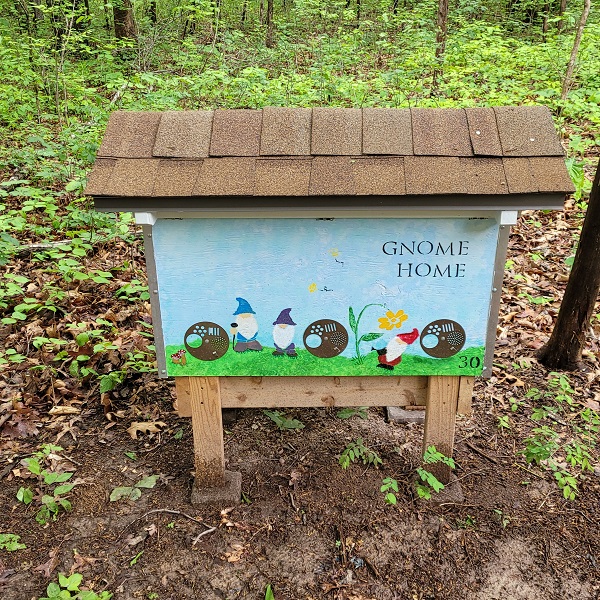
And Then There Were Four…
Summary: In August, two bee colonies absconded due to small hive beetles. The Sunshine hive saw slow growth before the owner’s COVID illness. After cleanup, diatomaceous earth was spread. Another colony, Gnome Home, also fell victim. The owner tried Swiffer sheets and beneficial nematodes to control the beetles. Five million heterorhabditis indica nematodes were purchased…
-
The Barn and Networking…
9/20/2023 The barn is a structure that was here when we bought the property. It quickly became one of our favorite places. The previous owner used it for a pony barn. We started using it as a place to store gardening tools. The barn had water but no electricity. We ran a power line to…
-

To treat or not to treat, that is the question…
8/31/2023 This is another play on a quote from Shakespeare, this time from Hamlet. It does point to one of the most contentious topic in beekeeping. Namely, bee treatment for the presence of the varroa mite. According to this website, “varroa mites have only been in the United States since the late 1980’s when they…
-

Plans for the honey harvest…
The author recently attended a Serving Heroes National Conference and visited a container store to purchase equipment for honey harvesting. They acquired a container to hold honey frames and plan to use additional tools like a honey gate and strainer. However, they decided against a centrifugal honey extractor due to budget constraints.
-
Much todo about nothing…
The post discusses an incident with bees and a trap, inspired by Shakespeare’s Much Ado About Nothing. After bringing back a bee swarm and leaving it overnight, the bees disappeared by morning. Lessons learned include waiting longer before moving the trap. The author humorously labels the experience a “comedy of errors.”
-

Field Trip!
In November 2022, after family time, I visited my cousin in south Missouri to observe and help with fall hive inspection. She recommended protective gear, and we inspected Langstroth and horizontal hives, handling bees for the first time. We treated the hives for mites, collected honey, and I got stung. It was a valuable experience.
-

What resources do honeybees need…
The content discusses the basic needs of bees, including a place to breed and store resources, foraging resources, water, dryness, ventilation, warmth, calm air, and sun protection. The author addresses his ability to affect these needs, such as foraging resources like trees and wildflowers, as well as water sources. The importance of sun protection and…
-
Types of Beekeeping…
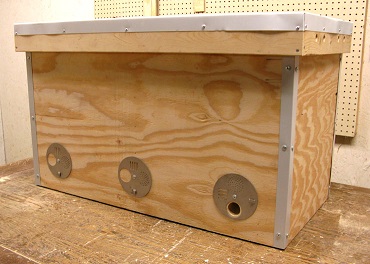
The content discusses different beekeeping philosophies, focusing on the Langstroth and Layens methods used in the United States. The Langstroth method, pioneered by Reverend L. L. Langstroth, introduced movable frames, leading to easier hive management but requiring heavy lifting. On the other hand, the Layens method emphasizes sustainable beekeeping with minimal management and lower weight…
-

Bee’s It Is…
The writer initially felt unprepared for beekeeping but highlighted their advantage of having a Doctorate in a practice-based discipline. They are committed to meaningful research, observation, and drawing conclusions to move forward. While reading an article on seasonal apiary management, they encountered new concepts such as feeding bees sugar water, nucs, honey supers, and brood…