-
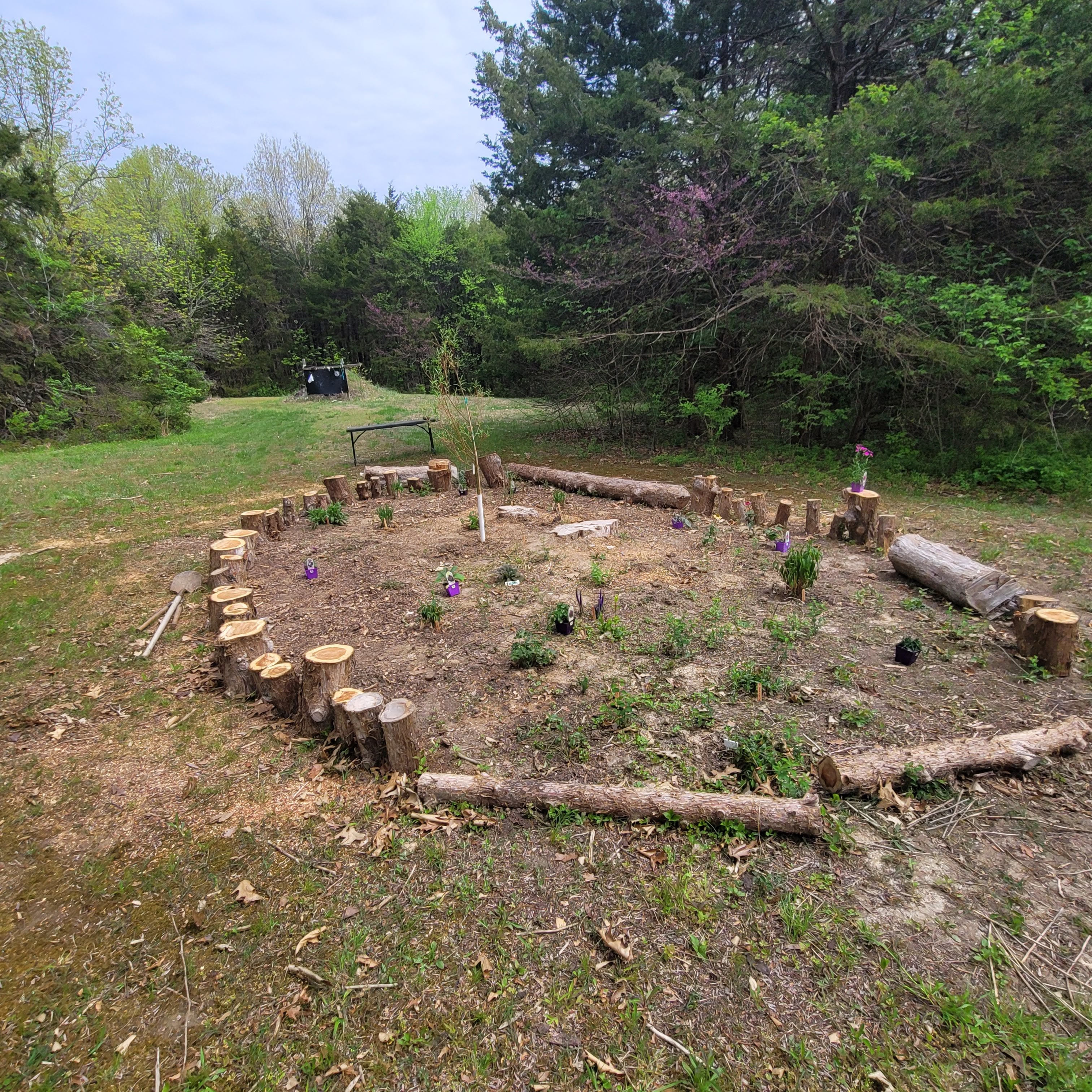
Working on flower beds…
The post describes preparations for the upcoming swarm season, focusing on renovating the Cedar Grove flower bed and expanding the Rose Garden. The author outlines the process of repurposing cedar logs, acquiring various flowers, and adding a weeping willow tree as a centerpiece. The Rose Garden is a post-retirement project, featuring a variety of tea…
-

Setting up the apiary…
The decision on the apiary placement led to choosing a spot with morning sun and afternoon shade. Despite the rough condition, clearing and setting up the apiary took two days, with concern for dead trees. Moving the hives was challenging, but the result was satisfying, with a potential picnic spot.
-

Time to build swarm traps…
The content delves into the life cycle of a bee colony, including the purpose of swarming and the significance of a swarm trap. Bees collect pollen and nectar for winter survival, and the swarm trap provides temporary accommodation for bee colonies. The traps, constructed from wood, are designed to accommodate the colony’s needs.
-

What resources do honeybees need…
The content discusses the basic needs of bees, including a place to breed and store resources, foraging resources, water, dryness, ventilation, warmth, calm air, and sun protection. The author addresses his ability to affect these needs, such as foraging resources like trees and wildflowers, as well as water sources. The importance of sun protection and…
-
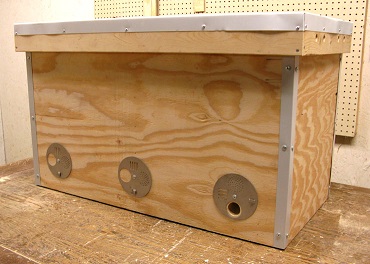
Types of Beekeeping…
The content discusses different beekeeping philosophies, focusing on the Langstroth and Layens methods used in the United States. The Langstroth method, pioneered by Reverend L. L. Langstroth, introduced movable frames, leading to easier hive management but requiring heavy lifting. On the other hand, the Layens method emphasizes sustainable beekeeping with minimal management and lower weight…